In my four decades across the Melbourne property landscape from selling some of the CBD’s first apartments in 1984 to my current role at GrayJohnson I’ve seen every cycle the market can throw at us.
Right now, we are in a period of “inertia.” With economic uncertainty and high construction costs, many investors are sitting on their hands. However, as a valuer, I see a clear value proposition emerging that many are overlooking: The “Hidden Gem” of the 1970s and 80s office building.
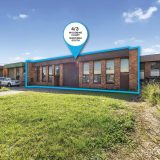
The Argument for the “Existing” Building
In the current market, the cost of “buying land and building new” has reached a point where it often doesn’t pencil out. Between the 12-month permit wait times and skyrocketing materials costs, you could spend double what it would cost to simply acquire an existing asset.
Here is why keeping and refurbishing that plain 1970s office block is often smarter than knocking it down:
- Immediate Utility: You can use the space now. In a market defined by six-month decision-making cycles, having a functional building ready for a tenant or owner-occupier is a massive advantage.
- Site Coverage Advantage: Many older buildings boast 100% site coverage. If you were to demolish and rebuild today, modern planning overlays might restrict you to only 70% or 80% coverage. By keeping the “bones,” you retain that inherent footprint value.
- The Conversion Play: We are seeing successful iterations of these secondary buildings being converted to residential or specialised service uses (like medical or boutique retail) that align with new “Activity Centre” guidelines.
South Melbourne, The Value Frontier
While suburbs like Cremorne and Richmond have seen “trendy” price acceleration, I believe South Melbourne currently represents the best value-for-money in the inner south.
Unlike other fringe pockets, South Melbourne offers:
- Superior Accessibility: Wider streets and fewer controlled intersections make it far easier for logistics and on-street parking.
- Arterial Links: Unmatched access to major roads and the CBD.
- Planning Upside: While height limits were historically capped, new zoning changes and activity centres near stations are making these locations “fashionable” again. What was once unfashionable living or working right by the tracks is now a drawcard for high-density infrastructure.
A Valuer’s Final Word
Market “uncertainty” is just a fashionable word for indecision. In the mid-80s and early 90s, we saw the same symptoms. The cause might be different today, GOP pressures and energy costs but the result is the same: Opportunity for those with patience.
Before you look for a vacant site to build your legacy, look at the “C-grade” building already standing. With the right entry price and a bit of vision, the “ugly ducklings” of the 70s are proving to be the most resilient assets in a shifting market.
Reach out on 0412 059 900 if you would like to have a chat about South Melbourne assets.
Find the hidden value using our Checklist for Assessing a 1970’s Building
By Simon Regan, Valuer & Agency Advisor at GrayJohnson