The commercial real estate landscape has fundamentally changed. Gone are the days when asset management was a simple, dictatorial relationship between landlord and tenant. Today, in a market shaped by the pandemic, a new, more collaborative approach is essential for survival and growth.
At GrayJohnson, we’ve seen this evolution firsthand. With over 110 years of commercial property experience, our team understands that the old, reactionary model of simply collecting rent and “working for the owner” is obsolete.
The modern tenant is more informed of their rights and expects to be worked with, not dictated to. This is the new cornerstone of successful asset management: forging a prosperous, long-term relationship that provides value to the tenant while insulating and protecting the landlord’s investment.
The goal for any investor remains the same: maximising a return. But how we achieve that goal has been completely redefined. It requires a proactive strategy that anticipates the market, understands tenant demands, and intelligently invests in the asset.
The New Tenant Expectation: Security and Flexibility
While location and rent are still factors, the “basic wants” of a tenant have shifted dramatically toward two key areas: staff security and digital flexibility.
1. The Primacy of Staff Security
In an age of heightened awareness, businesses are more responsible than ever for the safety and well-being of their staff. A lock and key are no longer enough.
Today’s tenants expect, as a basic requirement, sophisticated security infrastructure. This includes dedicated access and entry systems, visual aids (like video intercoms), and secure airlocks. This isn’t just about protecting physical property; it’s about providing peace of mind for their staff. Employees want to feel safe coming to and from the office, and employers know this is critical for retaining talent and encouraging a return to the workplace.
2. Digital Infrastructure as a Utility
The pandemic proved that business continuity hinges on technology. Consequently, tenants now demand the flexibility to “tailor a space” to their precise technological needs.
This goes far beyond just having an internet connection. Tenants require the freedom to cable throughout the building, reconfigure office layouts, establish secure data points, and connect to high-speed services like the full NBN. This ability to adapt their digital and physical footprint is a non-negotiable for modern operations. As our team has seen, tenants “never really wanted to or needed to [do this] in the past,” but it is now a primary driver in leasing decisions.
The Owner’s Mandate: Adapt or Be Left Behind
This new reality presents a significant challenge for property owners, especially those with older, B-grade, or even heritage-listed buildings.
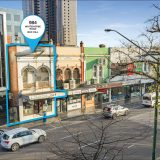
The appeal of a beautiful heritage-listed property, for example, can be instantly countered by its inflexibility. These buildings are often “bare bones,” making it incredibly difficult and expensive for tenants to install the modern tech, software, and security systems they need.
This is where proactive asset management from GrayJohnson becomes critical. We can’t simply bring a B-grade building up to A-grade, but we can advise owners on the smart, economical capital works that bridge the gap.
If a building is allowed to run down, a landlord has no leverage. By making these strategic, proactive investments, owners not only attract and retain high-quality tenants but ensure their asset can justify its position and value in a competitive market.
Ultimately, modern asset management is an art of balance, it’s about maximising returns by ensuring the tenant’s business can prosper safely and efficiently within your property.
For more details contact Grant Kindler (Director – Asset Management).